Size labels are not measurements. One seller's medium may be wider than another seller's large, and translated recommendations based only on height or weight cannot describe how you prefer clothing to fit. This Joyagoo size guide shows how to create a reliable reference from clothes you already own, compare it with a live listing, and confirm important dimensions during warehouse QC.
The six product examples cover different measurement problems. A sweatshirt needs shoulder and chest room, a T-shirt exposes length and sleeve balance, a trench coat must allow layering, shorts depend on waist and rise, a sweater may stretch, and shoes require foot and insole measurements. The links are research examples, not guarantees of stock, quality, or fit. Always reopen the live listing and verify current seller information before ordering.
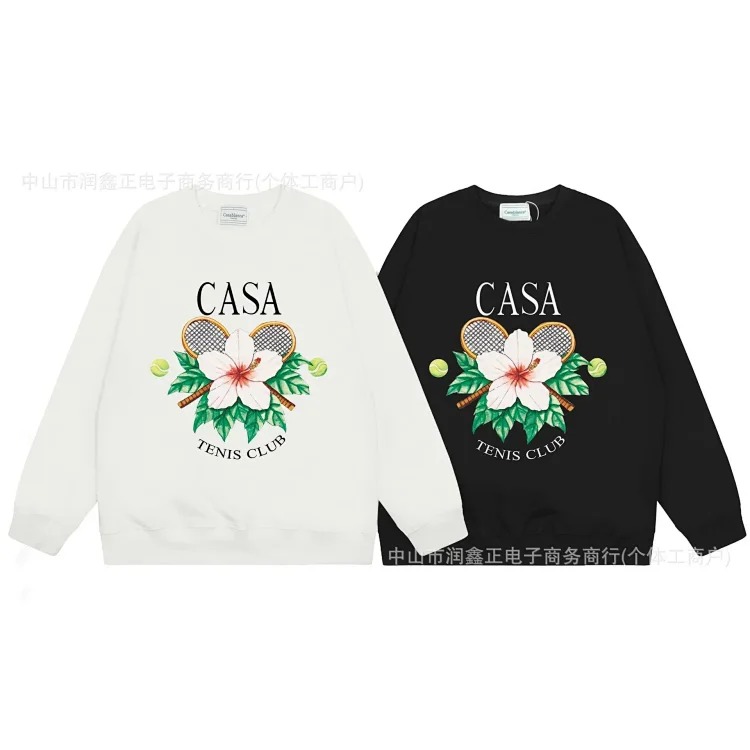 Loose cotton printed sweatshirtChest and shoulder example
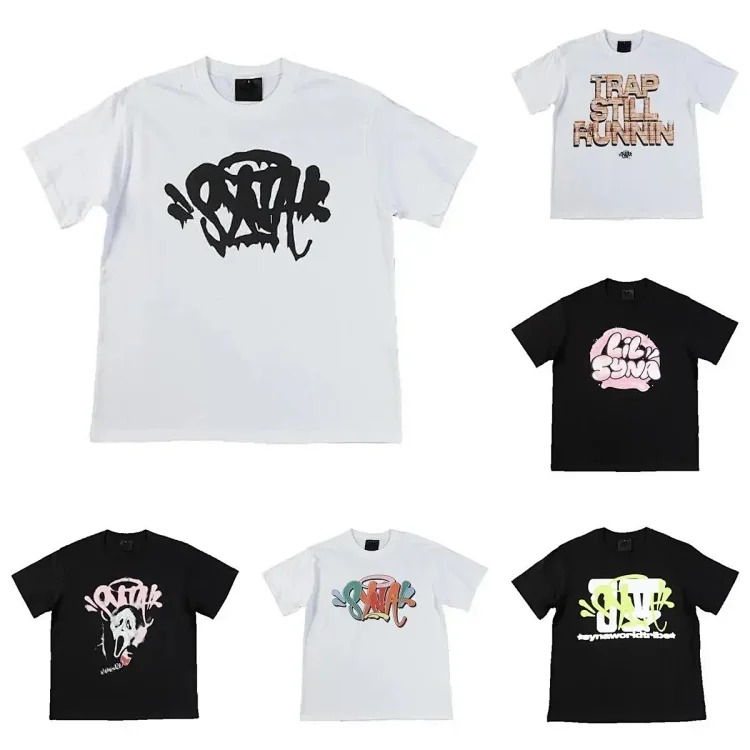 Hip-hop short-sleeve T-shirtLength and sleeve example
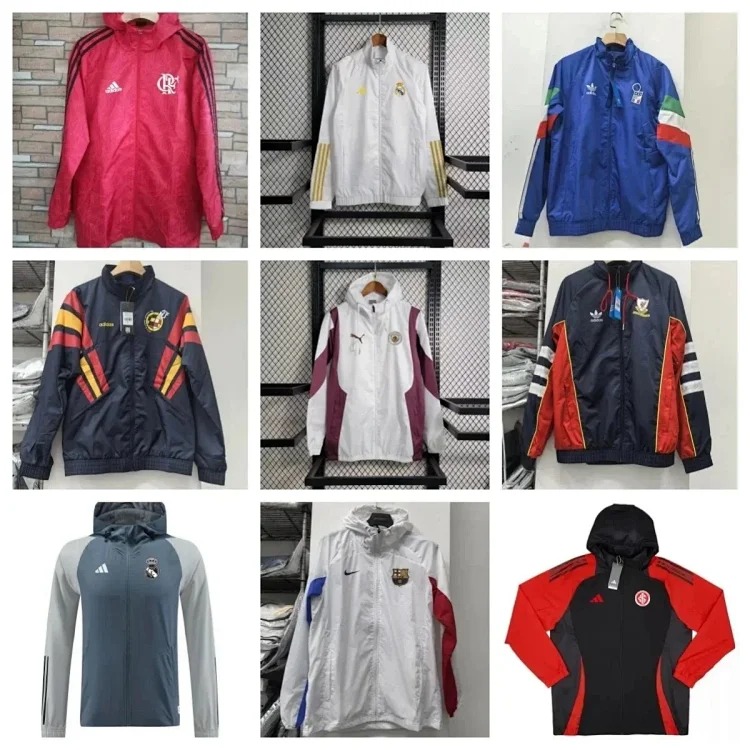 Versatile trench coatLayering allowance example
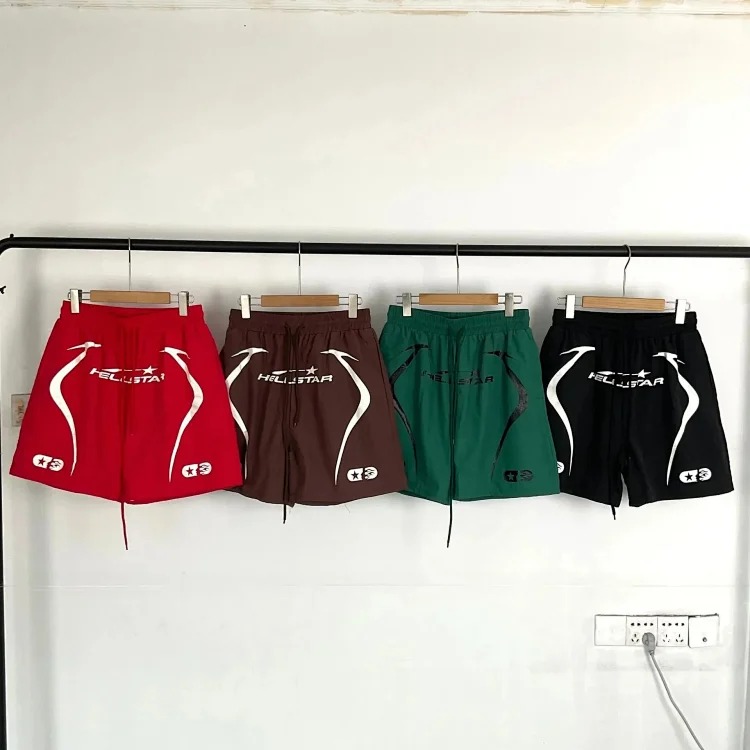 Lettered casual shortsWaist and rise example
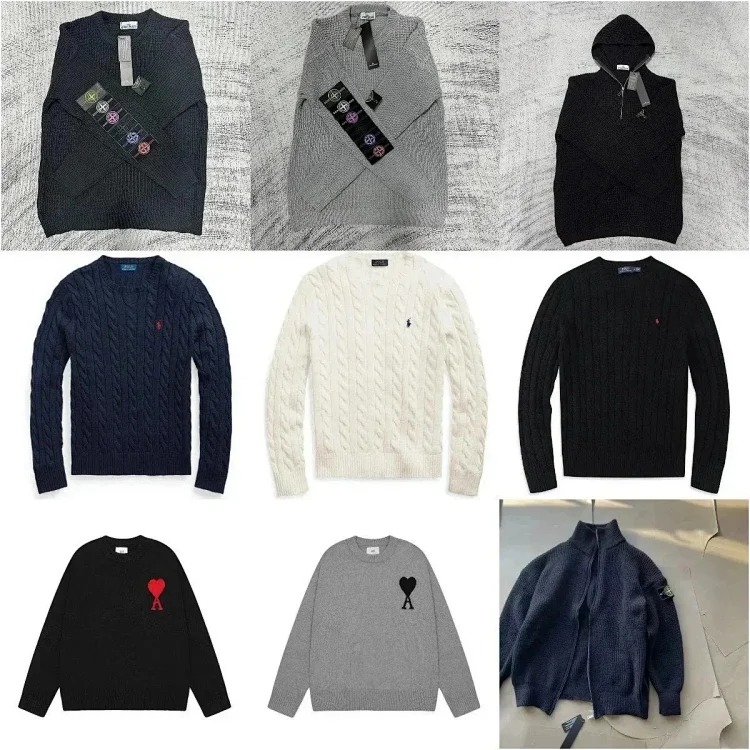 Versatile winter sweaterKnit stretch example
 Air Max Plus style sneakersFoot and insole example
1. Build a personal garment measurement baseline
Choose one item you already own that fits the way you want the new item to fit. Lay it flat without stretching it. Use a flexible tape and record centimeters, because most seller charts use metric units. Measure the same way the seller diagram shows; a chest measurement may be listed as half-chest width or as full circumference, and confusing the two can double the apparent value.
For tops, record shoulder seam to shoulder seam, chest width at the underarm, back length from the high shoulder point, and sleeve length. Also note whether the reference garment is cropped, regular, relaxed, or deliberately oversized. For outerwear, measure a jacket that fits over the layers you expect to wear. A trench coat compared with a thin T-shirt will not reveal the chest and sleeve allowance needed over a hoodie.
For shorts and trousers, record relaxed waist width, stretched waist if elastic, front rise, back rise, thigh, inseam, outseam, and leg opening. Compare a similar fabric whenever possible. Stretch denim and rigid denim can share dimensions but feel completely different. Save the baseline in the Joyagoo Find Sheet so future comparisons use the same method.
2. Read the seller size chart without guessing
First identify whether the size chart describes the garment or the body. Garment measurements should normally exceed body measurements by the ease required for the intended silhouette. A fitted T-shirt needs less ease than a sweatshirt, sweater, or coat. If the chart only provides height and weight ranges, treat it as weak evidence and ask for actual product dimensions before deciding.
Check every selected variant. Some listings combine several cuts, fabrics, or seasonal batches under one page, and a single chart may not apply to all of them. Preserve the selected color, size, product code, chart screenshot, seller detail, price, and date. If the title, images, and options disagree, mark the listing as high risk rather than choosing the most convenient interpretation.
Allow for stated production tolerance, usually a small range rather than an exact promise. Decide which dimension has the lowest tolerance for your use. Sleeve length may be flexible on a sweatshirt, while inseam, waist, or shoe insole length may determine whether the item is wearable. Choose the size that best matches the priority measurements instead of demanding that every number match perfectly.
3. Measure footwear and category-specific items
For shoes, stand on paper with weight distributed normally, trace both feet, and measure heel to longest toe. Use the larger foot. Add the comfort allowance suitable for the shoe type, then compare with an internal-length chart, not only EU, US, or UK labels. Ask whether the seller's centimeter value means foot length, insole length, or last length. These are not interchangeable.
For knitwear, record the flat measurement but also note stretch, ribbing, and recovery. A sweater may look wide on a table yet sit closer on the body because of elastic structure. For elastic-waist shorts, compare relaxed and comfortably stretched waist values. For coats, check chest, shoulder, sleeve, and total length while wearing the planned base layer. The fit question is always connected to the role the product will play.
Product photographs help explain silhouette but cannot establish scale. Camera angle, model pose, clipping, and styling can hide proportions. Use images to judge shape and the chart to judge size. When either source is missing or contradictory, do not let a familiar label create false confidence.
4. Carry measurement notes through the agent route and QC
When submitting the order to a shopping agent, include only the exact selected variant and the few measurements that matter most. A useful note might say, “Black, size L; please confirm this option uses the attached chart.” Keep your complete research record separately. After the item reaches the warehouse, compare the size tag, color, and overall product with the saved listing before paying for extra photos.
Warehouse QC should answer objective questions. Request a tape laid across the chest, down the back length, along the inseam, around the waist, or inside the shoe, depending on the risk identified earlier. Ask for one clearly defined measurement per image. A vague request such as “check sizing” can produce an opinion; “measure the insole heel to toe in centimeters” produces evidence.
Also inspect construction that affects fit: twisted seams, uneven sleeves, misshapen collars, incorrectly attached waistbands, mismatched shoes, or compressed padding. Compare the result with your tolerance. If a material measurement is outside the acceptable range, use the seller's current return or exchange process before international shipping. Record the final decision in the related Joyagoo product research board guide.
5. Include sizing decisions in parcel and shipping plans
Fit research continues to matter during parcel planning. If two sizes both work, the bulkier option may slightly increase package weight, but choosing a smaller unusable size wastes the full landed cost. Prioritize wearability over minor freight savings. Shoes, heavy sweaters, and coats can affect volumetric weight; T-shirts and shorts consolidate more efficiently.
Review shipping route restrictions, billing by actual or volumetric weight, packaging protection, and expected delivery window. Vacuum packing can reduce soft-clothing volume but may crease structured outerwear. Removing a shoe box saves space but reduces protection. Choose services according to the products that passed QC rather than applying one packaging rule to every parcel.
Keep the final warehouse measurements, parcel ID, landed cost, and real-world fit result. Those outcomes improve your next comparison and reveal which seller charts were reliable. Browse more measurement and quality-control workflows in the Joyagoo guide library. A disciplined size process does not eliminate all variation, but it replaces label guessing with repeatable evidence before the expensive international-shipping step.