A normal product list is quick to build: paste links into rows, add short titles, and share the page. The weakness appears later, when a buyer must remember why an item was saved, which variant looked correct, what size evidence existed, and whether the seller information was convincing. A Joyagoo product research board adds that missing context. It treats each link as a research record rather than as a recommendation without evidence.
This guide compares both methods using six product types. The goal is not to rank the products or guarantee seller performance. Instead, the examples show what information a useful board should preserve before the agent route begins. Open each current-tab product card, review the live page, and notice how different questions apply to a T-shirt, hoodie, jacket, shoes, jeans, and bag.
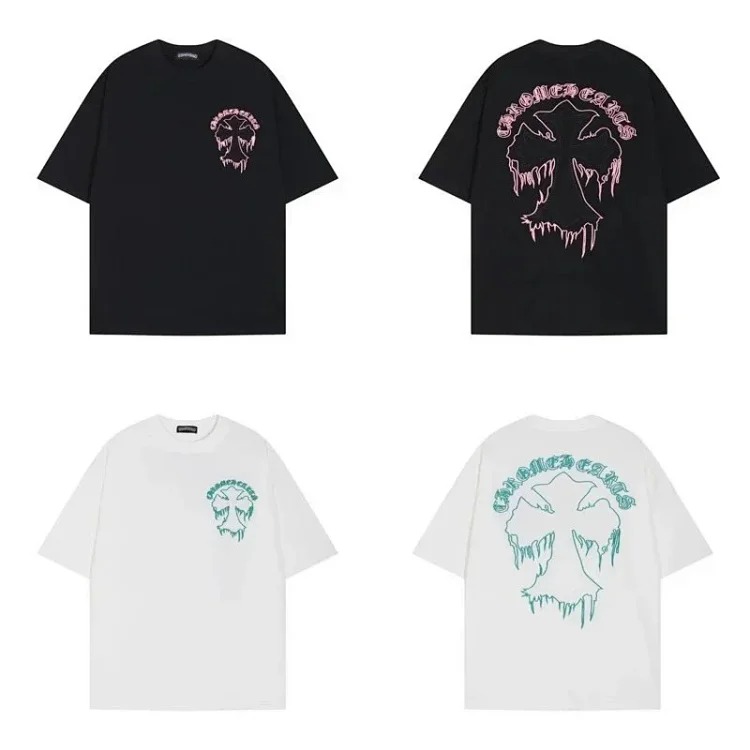 Street short-sleeve T-shirtPrint and fabric research
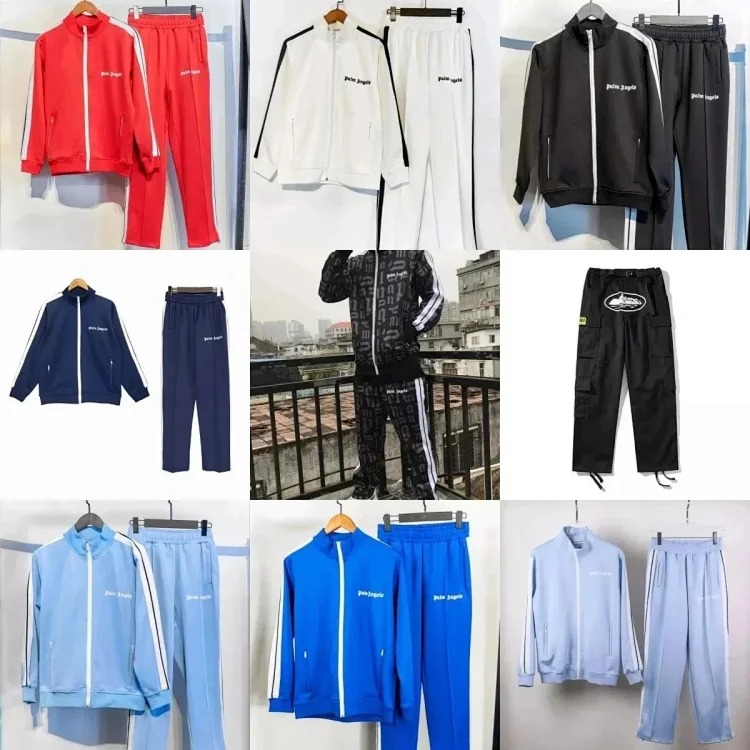 Spring and autumn hoodie setLayering and size research
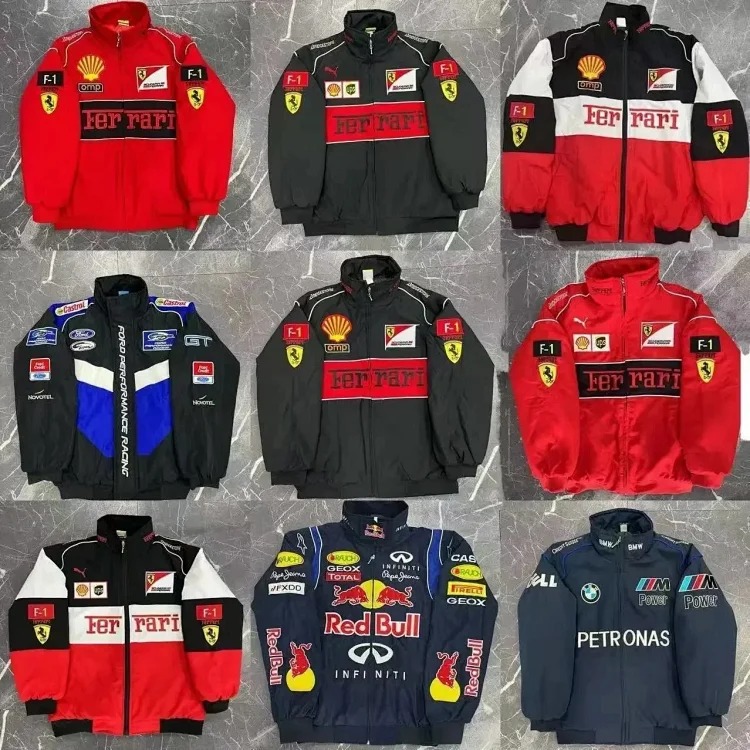 Cotton jacketConstruction research
 Sports footwear listingSizing and pair QC research
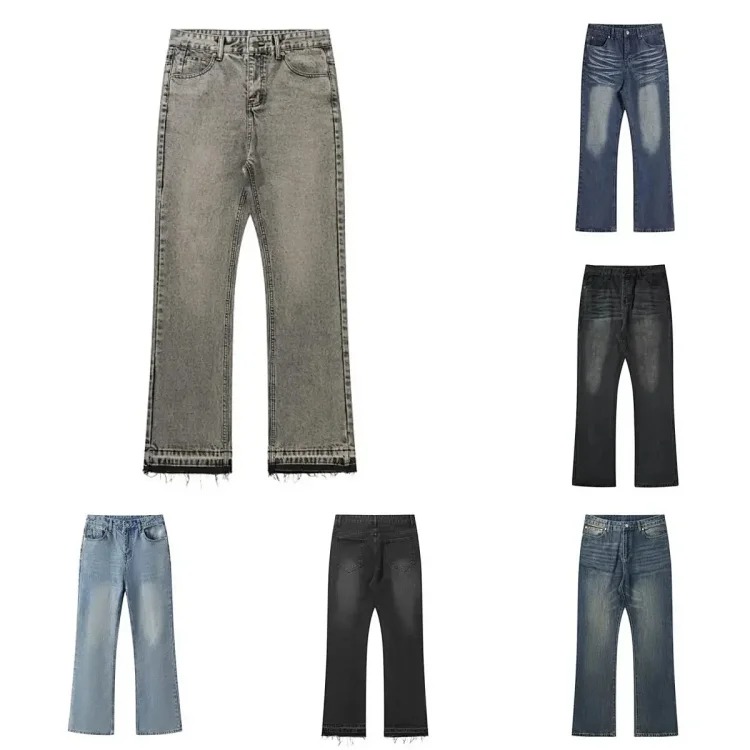 Jeans in multiple stylesVariant and measurement research
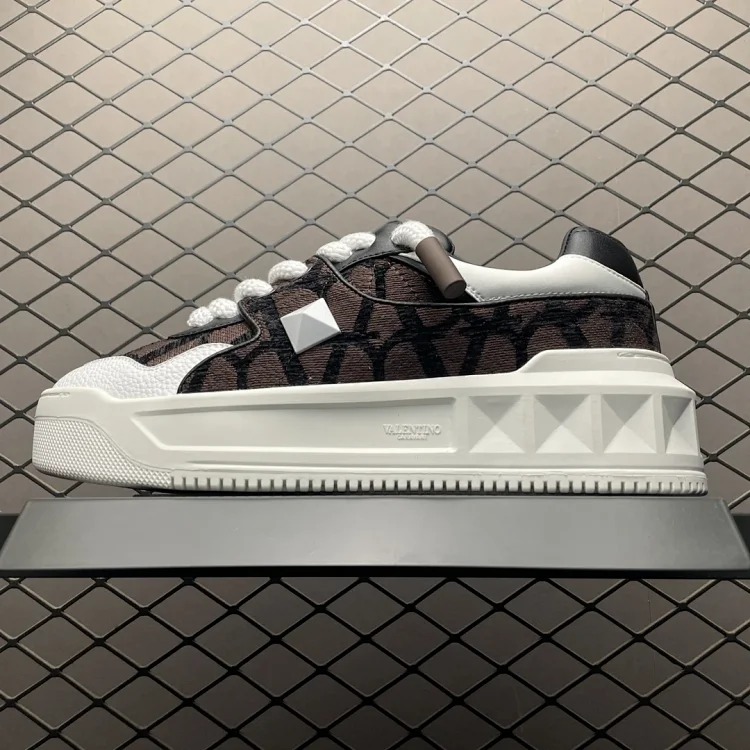 Color-matching bagHardware and packaging research
1. What a normal product list does well
A simple list is valuable during the earliest discovery stage. It lets a buyer collect many candidate links, scan categories, and remove obvious mismatches quickly. When the only question is “Which products exist?”, a clean title, thumbnail, category, and destination URL may be enough. Lists are also easy to sort and share, which makes them useful for broad inspiration or for a temporary shortlist.
The problem is that speed can disguise uncertainty. Titles are frequently vague, machine-translated, or shared across several variants. The visible price may represent the cheapest option rather than the photographed item. A normal list rarely explains whether the link has a complete size chart, useful detail images, recent seller activity, or a return window. It also tends to mix strong candidates with unverified discoveries, making every row look equally dependable.
Use a list as an inbox, not as a final buying decision. Delete broken links, duplicates, irrelevant categories, and items with no clear visual match. Then promote only serious candidates into a research board. This keeps the board focused without losing the fast capture advantage of the original list.
2. What a Joyagoo product research board adds
A research board records the reason behind each candidate. Useful columns include the exact product URL, captured date, seller detail, selected variant, displayed price, domestic freight, category, role in an outfit, size evidence, main risk, and next action. A status field can separate “new,” “needs size check,” “ready for agent,” “warehouse QC,” and “rejected.” That structure turns a static directory into a decision workflow.
The board should preserve evidence rather than opinions. For a T-shirt, record fabric weight if available, print placement, color, and chest measurement. For the hoodie set, identify whether the price covers one piece or the complete set. A jacket row should mention closures, lining, material, and layering allowance. Shoes need the sizing system, insole target, pair photos, and sole shape. Jeans require waist, rise, thigh, inseam, and leg opening. A bag needs dimensions, strap drop, hardware, opening, and packaging expectations.
Seller information belongs beside the product data. Note whether images are consistent, whether variant labels are clear, and whether return terms are visible. Do not replace evidence with a score that nobody can audit. A concise risk note such as “size chart missing inseam” or “two colors share one thumbnail” tells the next reviewer exactly what must be resolved.
3. Compare products with the same decision fields
Consistency is the board's main advantage. Give every candidate the same essential checks: link status, variant clarity, seller record, photo coverage, measurement availability, QC priorities, shipping impact, and confidence. Uniform fields make it easier to compare very different products without pretending they have identical risks.
Use measurements instead of relying on size labels. Save the seller size chart and compare it with a garment you already own. For tops, capture chest, shoulder, sleeve, and length. For bottoms, capture waist, rise, thigh, inseam, and opening. For footwear, use foot length and desired insole length. If the live page does not provide the needed sizing data, mark the gap and decide whether to ask the seller or request a warehouse measurement later.
A board also improves price comparisons. Record item price, domestic freight, likely weight, and expected packaging. The lowest product price can become a poor value if the listing is ambiguous, returns are difficult, or bulky packaging raises international freight. Compare estimated landed cost and decision risk, not just the first number shown on the page.
4. Move approved rows through agent and warehouse QC
When a candidate is ready, copy its saved variant and measurement notes into the shopping agent order. Confirm that imported title, price, quantity, color, size, and domestic shipping match the board. The board remains the reference if the listing changes after payment. This is especially useful when several similar items reach the warehouse on different days.
At warehouse QC, update the same row with the received size tag, visible color, measured dimensions, photo links, and decision. Quality control should focus on category-specific evidence. Check print alignment and collar shape on the T-shirt, cuffs and completeness on the hoodie set, seams and hardware on the jacket, both shoes and size labels on footwear, wash and measurements on jeans, and straps, corners, hardware, and accessories on the bag.
If standard photographs do not answer a material question, request a precise extra photo or measurement. “Measure the insole heel to toe” is actionable; “check whether quality is good” is subjective. Mark the item accepted, exchange requested, or returned only after comparing warehouse evidence with the saved listing reference and the tolerance decided before purchase.
5. Use the board for parcel planning and future research
After acceptance, the board can support parcel planning. Add actual weight, estimated volume, packaging decision, route restrictions, and parcel ID. A padded jacket, shoe box, and structured bag may control volumetric weight, while shirts and jeans consolidate more efficiently. Compare freight options by billing method, tracking, delivery range, compensation terms, and destination support. Choose box removal, reinforcement, waterproof wrapping, or vacuum packing according to the product rather than as a universal rule.
The completed record becomes useful after delivery. Add the final fit result, landed cost, seller accuracy, and route outcome. Those notes improve future sizing decisions and show which research fields predicted real problems. A normal list usually ends when the link is opened; a research board improves each time the workflow produces new evidence.
Start with the Joyagoo Find Sheet, browse the Joyagoo guide library, and use the related Joyagoo agent route guide when an approved product moves toward warehouse inspection. The best method is not the one with the most links. It is the one that preserves enough context to explain why a product advanced, what must be checked, and when it should be rejected.