A product link is only the beginning of an agent purchase. The difficult part is preserving the correct item, color, size, seller information, and expectations as the order moves from a discovery page to a warehouse shelf. This Joyagoo agent route explains the checkpoints that reduce avoidable mistakes. It is designed for buyers who use the Joyagoo Find Sheet to research products and then need a repeatable process for ordering, quality control, and parcel planning.
The six examples below cover different product types because each exposes a different risk. Hoodies require fabric and measurement checks, shoes require label and sole checks, T-shirts reveal print alignment, jackets need hardware inspection, shorts make sizing tolerance important, and bags require close views of straps and stitching. They are references for the workflow, not a promise about inventory or seller performance. Open each card in the current tab, confirm the latest listing details, and save the product URL before sending it to a shopping agent.
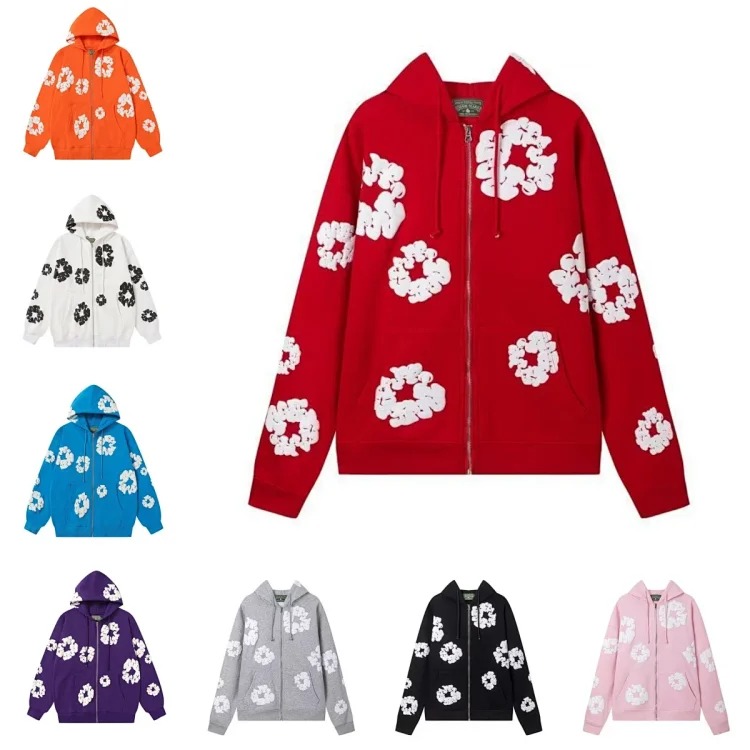 Trendy simple and versatile hoodieHoodie workflow example
 Sneaker product listingFootwear QC example
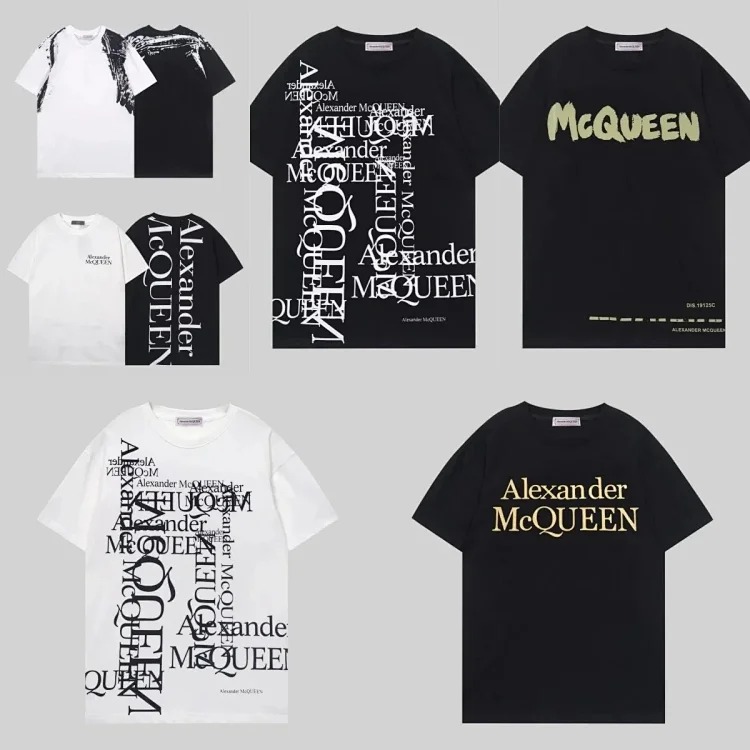 Colorful graphic T-shirtPrint inspection example
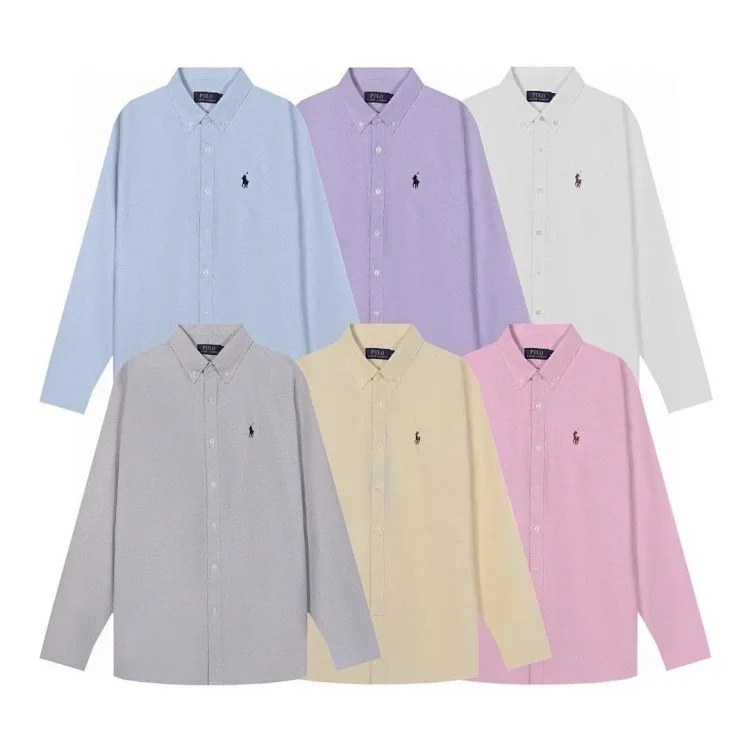 Shirt jacketOuterwear QC example
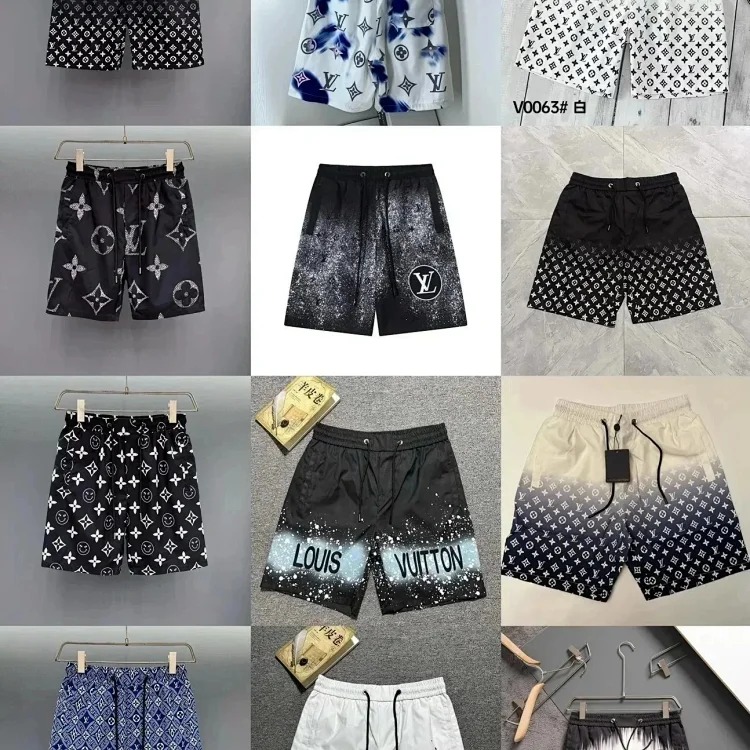 Summer beach shortsBottom measurement example
 Jacquard messenger bagAccessory inspection example
1. Capture the product link and seller details
Start by recording more than the URL. Save a screenshot of the listing, the displayed title, selected color, selected size, price, seller name, and any variant code. A product page may change after an order is placed, so the screenshot becomes a useful reference if the agent asks for clarification. Read the image captions and variant thumbnails carefully; a generic title may cover several products, and the cheapest displayed price may belong to an accessory rather than the main item.
Seller information deserves its own check. Look for a seller record, recent transaction activity, return terms, and consistent photographs. A high sales number alone does not confirm that the exact variant is reliable. Compare the main photo with detail photos for fabric, logos, closures, and color. If the listing contains conflicting images, write a short purchasing note that names the exact option and asks the agent to confirm it before payment. Clear notes are better than long, ambiguous messages.
Before submission, copy the link into the agent order form and inspect the automatically imported fields. Correct any truncated title, price, domestic freight, quantity, color, or size. If the product requires manual ordering, paste the seller detail and variant text into the remarks field. Do not assume that an image alone communicates the selection. The first checkpoint is complete only when the order record and your saved reference describe the same item.
2. Plan sizing, measurements, and order instructions
Agent buying does not remove sizing uncertainty. Measure a garment you already own and compare garment-to-garment values, not only body height and weight recommendations. For tops, record shoulder width, chest width, sleeve length, and back length. For trousers or shorts, record waist, rise, thigh, inseam, and leg opening. For shoes, compare foot length in centimeters with the seller size chart and ask whether the listed size is EU, US, UK, or an internal factory label.
Allow for a reasonable production tolerance, but decide your limit before ordering. A one-centimeter difference may be acceptable on a T-shirt while a larger difference in shoe insole length can make the product unusable. Include only essential measurement requests in the order note. For example: “Please purchase black, size L; warehouse measurement requested for chest width and back length.” This instruction is specific, verifiable, and easy for an agent to follow.
Think about material behavior as well. Cotton can shrink, coated fabric may look different under warehouse lighting, and padded outerwear may measure differently when compressed. A bag needs strap drop and opening width rather than clothing measurements. A graphic product needs the chosen print and color confirmed. When the seller provides no size chart, treat the order as higher risk and decide whether a paid measurement photo is worth adding before purchase.
3. Use warehouse QC as a decision gate
Warehouse QC is not decoration; it is the decision gate between receipt and international shipping. Check the overview photos first. Confirm the product category, color, size tag, quantity, and obvious shape. Then inspect the details that matter for that category. On a hoodie, check drawstrings, cuffs, seams, embroidery, and pocket symmetry. On shoes, compare both pairs, toe shape, heel alignment, outsole, size labels, and visible glue. On a T-shirt, check print placement and collar shape. On a jacket, inspect zippers, snaps, lining, and sleeve length.
Standard photos may not answer a specific concern. Request a close-up or measurement photo when the listing and warehouse view leave a material question unresolved. Good requests identify one location and one result: “Measure the insole from heel to toe,” or “Photograph the front print straight from above.” Avoid asking the warehouse to judge subjective quality. The buyer should compare objective images with the saved seller reference and decide whether to keep, exchange, or return within the available service window.
Keep a small QC checklist for every order: correct variant, correct size label, measurements within tolerance, no obvious damage, matching pair or components, acceptable construction, and all requested accessories present. Record the result beside the original link. That note prevents confusion when several similar items arrive and provides a cleaner history if customer service must review a problem.
4. Consolidate the parcel and control shipping cost
After every item passes inspection, switch from product quality to parcel efficiency. International freight is influenced by actual weight, volumetric weight, destination, route restrictions, and packaging. Bulky shoes and padded jackets can dominate volumetric weight, while compact T-shirts and shorts usually consolidate efficiently. Bags may need internal support to retain shape, but excessive packaging raises cost. Decide what packaging protection is genuinely useful rather than removing everything automatically.
Compare available shipping routes by supported product type, estimated delivery range, tracking, insurance or compensation terms, and billing method. The cheapest line is not always the lowest-risk line. Ask whether boxes, batteries, liquids, or branded packaging change route eligibility. Rehearsal packaging can reveal the estimated parcel dimensions before final payment. Use that information to compare landed cost, not only the headline freight rate.
Before submitting the parcel, verify the destination address, recipient format, declared information, package contents, and selected services. Save the parcel number and tracking link. Photograph requests, corner protection, waterproof wrapping, shoe-box removal, or vacuum packing should be chosen deliberately. Vacuum packing can reduce apparel volume but may crease structured pieces; removing a shoe box saves space but reduces protection. Match the packing choice to the items, not to a fixed habit.
5. Keep a reusable Joyagoo agent workflow
A dependable workflow is simple enough to repeat: research, capture seller details, specify the variant, compare sizing, submit the order, inspect warehouse QC, resolve problems, consolidate, and ship. Keep a small record containing the product link, screenshot, purchase note, measurement target, warehouse result, parcel ID, and final landed cost. Over time, this creates useful evidence about sizing tendencies, seller consistency, and which routes work for your destination.
Use the Joyagoo guide library to plan the product side of the purchase and the related Joyagoo QC checklist when the warehouse photos arrive. Return to the homepage when you want to compare new product finds. The purpose of a find sheet is not to rush a purchase; it is to preserve enough context that each decision can be checked before money and shipping time are committed.
No guide can guarantee seller stock, product accuracy, customs treatment, or delivery speed. Listings and agent policies can change, so verify current terms at every stage. The practical advantage comes from disciplined checkpoints: a correct link before payment, clear measurements before acceptance, objective QC before shipping, and a parcel plan based on real dimensions. Following those checkpoints makes the Joyagoo agent route easier to audit and much less dependent on guesswork.