A product link can look like the finish line, but it is the beginning of the route that determines whether an item arrives as expected. This Joyagoo agent comparison explains what changes when the same listing moves through an agent order, warehouse QC, parcel consolidation, and shipping selection. It is for buyers who want to compare routes by the decisions they create, rather than treating every buy link as an identical checkout.
Each route starts with the same basic evidence: the live listing, selected variant, price, and seller detail. It becomes different when the product reaches the warehouse. A shoe may need an insole measurement, a hoodie may need chest and length confirmation, and a bag may need strap or hardware photos. The examples below are current-tab product references for learning the process. Confirm current stock, seller information, and size charts before placing any order.
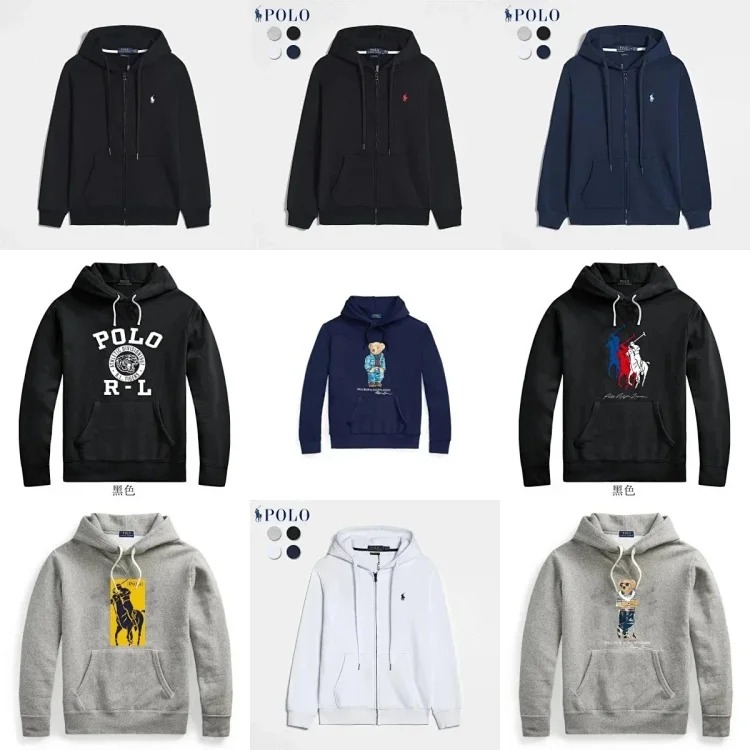 Casual sports hooded sweatshirtFabric and measurement route
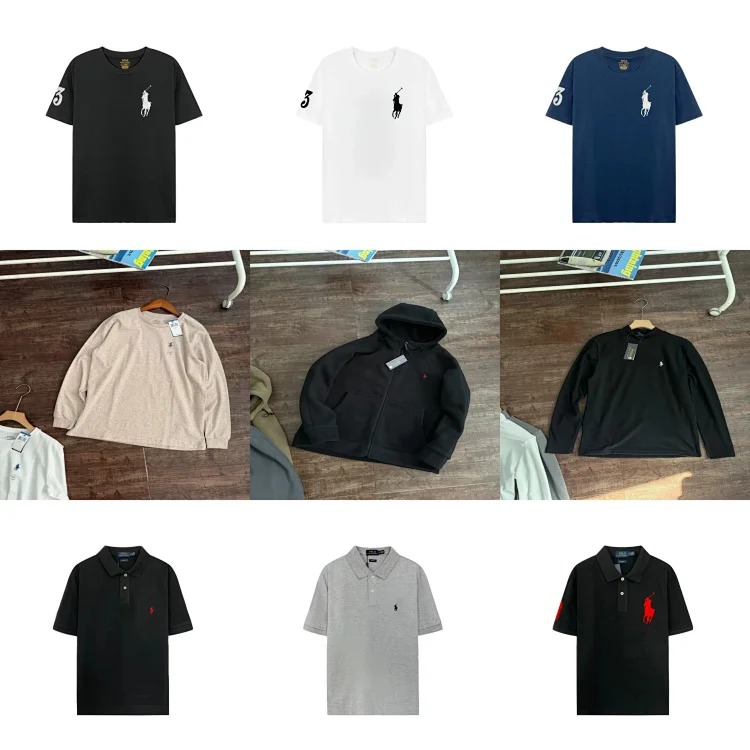 Short sleeve sweatshirtColor and print route
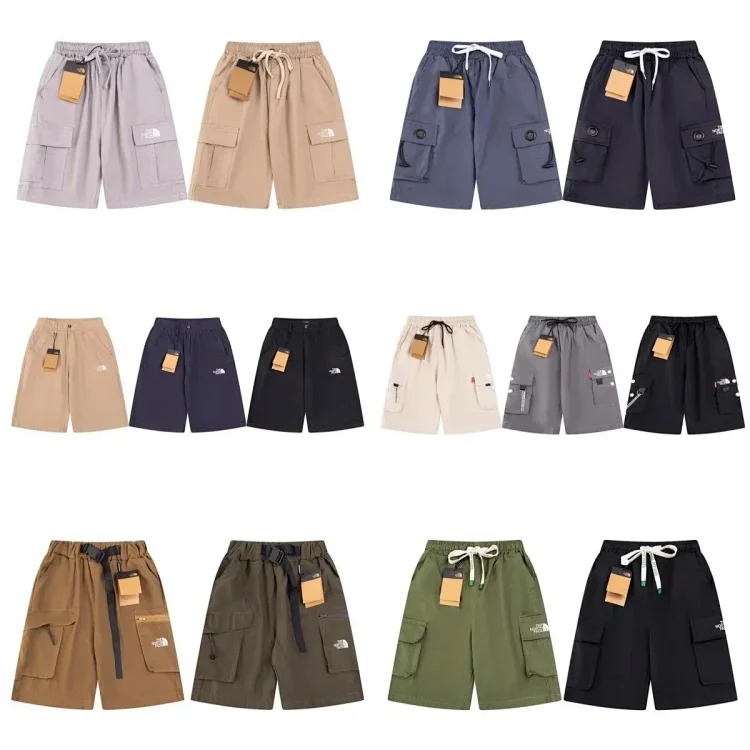 Fashionable versatile shortsWaist and inseam route
 Air Max Plus TN sneakersPairing and insole route
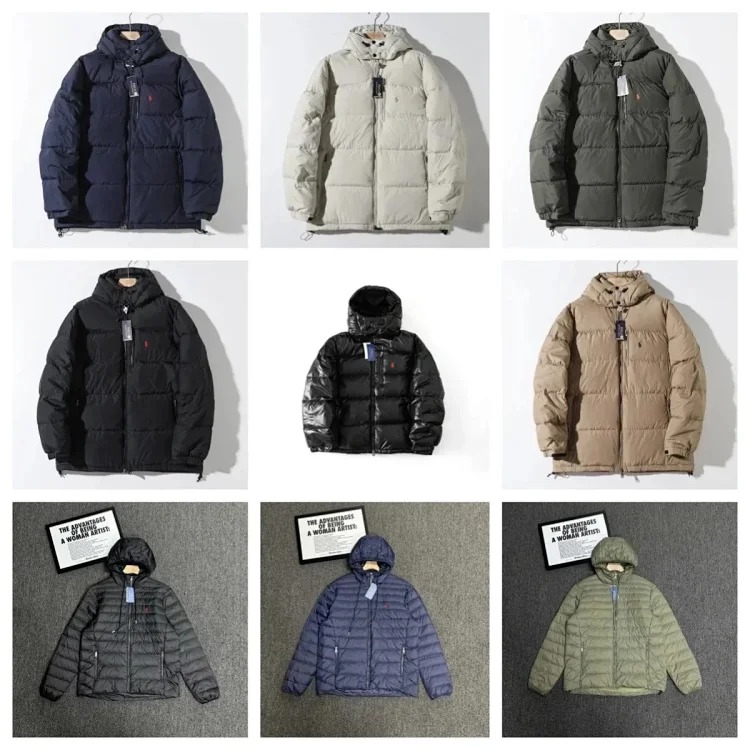 Warm comfortable down jacketVolume and hardware route
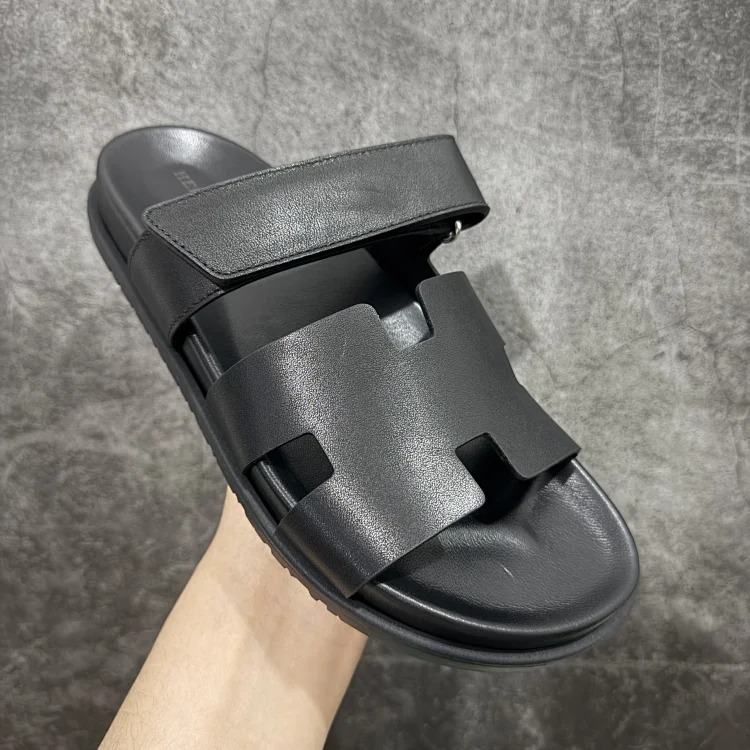 Classic complete-package bagStrap and protection route
1. What stays the same before an agent accepts the order
Every agent route needs an unambiguous purchase record. Save the product URL, listing screenshots, seller name, selected color, selected size, current price, and domestic shipping charge. A listing can change after payment, so the record should describe the precise variant rather than a broad product title. Compare seller detail photos with the option you choose; one listing can combine different materials, batches, or accessories under nearby variants.
Use a short order note that the warehouse can verify. Name the color and size, then state the one fact that matters most. For example, ask for a black hoodie in size L with a chest-width measurement, or a sneaker in the listed size with an insole measurement. The note should not ask the agent to make a subjective quality decision. It should make the intended item and the measurable check unmistakable.
2. How product type changes warehouse QC
Warehouse QC is the first real split between routes. For shoes, compare the left and right pair, toe shape, heel alignment, outsole, labels, and insole length. For a T-shirt, compare print position, collar shape, sleeve cut, and color under the available lighting. For hoodies and jackets, inspect seams, zippers, cuffs, lining, embroidery, and the requested garment measurements. For shorts, waist, rise, thigh, and inseam are often more useful than a generic size recommendation.
A bag needs its own QC approach: view the strap attachment, opening, interior, corners, and hardware. Ask for a close-up only when the standard photos leave a specific question unanswered. Requests such as “measure the insole heel to toe” or “photograph the zipper pull close-up” are easier to act on than a vague request for better quality. Compare QC against the saved seller image, then decide whether the difference is acceptable before the return window closes.
3. Compare size risk and seller detail before keeping an item
Size risk does not disappear after an agent buys an item. Use a garment you own as the reference and compare flat measurements: shoulder, chest, sleeve, and back length for tops; waist, rise, thigh, inseam, and opening for bottoms. For shoes, measure your foot in centimeters and check which sizing convention the seller uses. A size label alone is weak evidence when factories use different charts.
Seller detail helps explain whether a discrepancy is a likely listing issue or normal production tolerance. Review the chart, option labels, and detail images again when the warehouse item arrives. Decide beforehand what tolerance you can accept. One centimeter on a relaxed top may be minor; a larger difference in an insole can change wearability. Save the QC result beside the seller record so future orders do not repeat an avoidable sizing mistake.
4. Agent routes diverge again at parcel consolidation
Once accepted items are in the warehouse, compare shipping routes by actual and volumetric weight, destination coverage, tracking, restrictions, insurance terms, and packaging rules. A down jacket or shoe box can dominate parcel volume, while a T-shirt or pair of shorts usually consolidates efficiently. A structured bag may need internal support; removing every bit of packaging to save money can create a different risk.
Rehearsal packaging can make the comparison concrete by showing estimated dimensions before final payment. Use it to assess whether a route is billed by volume, whether a box should be removed, and whether waterproof wrapping or corner protection is worthwhile. Check agent route rules for batteries, liquids, restricted materials, and destination declarations. The cheapest visible price is not always the better route when tracking, compensation, or delivery reliability differs.
Write the comparison down before committing to freight. Note the estimated weight, measured dimensions, route name, service level, tracking availability, and the protection you selected. If two options have a similar price, the route with clearer tracking and a workable compensation policy can be easier to manage. Keep in mind that parcel estimates can shift after packing, so treat them as a planning tool rather than a delivery promise.
5. Build a repeatable Joyagoo comparison record
Keep one line per purchase in the Joyagoo Find Sheet: seller detail, selected variant, measurement target, QC result, keep-or-return decision, parcel weight, and final shipping route. This lets you compare decisions after the buy link using evidence instead of memory. The guide library provides wider research context, while the related Joyagoo size guide helps when measurements are the deciding factor.
A disciplined route is not a guarantee about stock, customs, seller performance, or delivery time. It is a way to notice changes early: confirm the product before payment, check measurements and QC before shipping, and choose a parcel service using actual dimensions. That sequence gives each Joyagoo agent route a clear purpose and makes later comparisons much more useful.
Review the record after delivery as well. Compare the seller photo, QC photo, measurements, and parcel choice with the item you received. A concise post-delivery note identifies patterns without turning a single purchase into a broad claim about a seller or route. Over several orders, those notes help you decide which checks are essential for your product mix and destination.